Websites & customer follow-up for local businessesExplore the package

How it works

A website project.
Without the guesswork.

You know your business. We guide the website decisions, explain the steps, and show you the work before launch.

An everyday situation. Shown from start to finish.

See what happens
while you’re working.

Four short animated stories.
Real situations. Clear next steps.

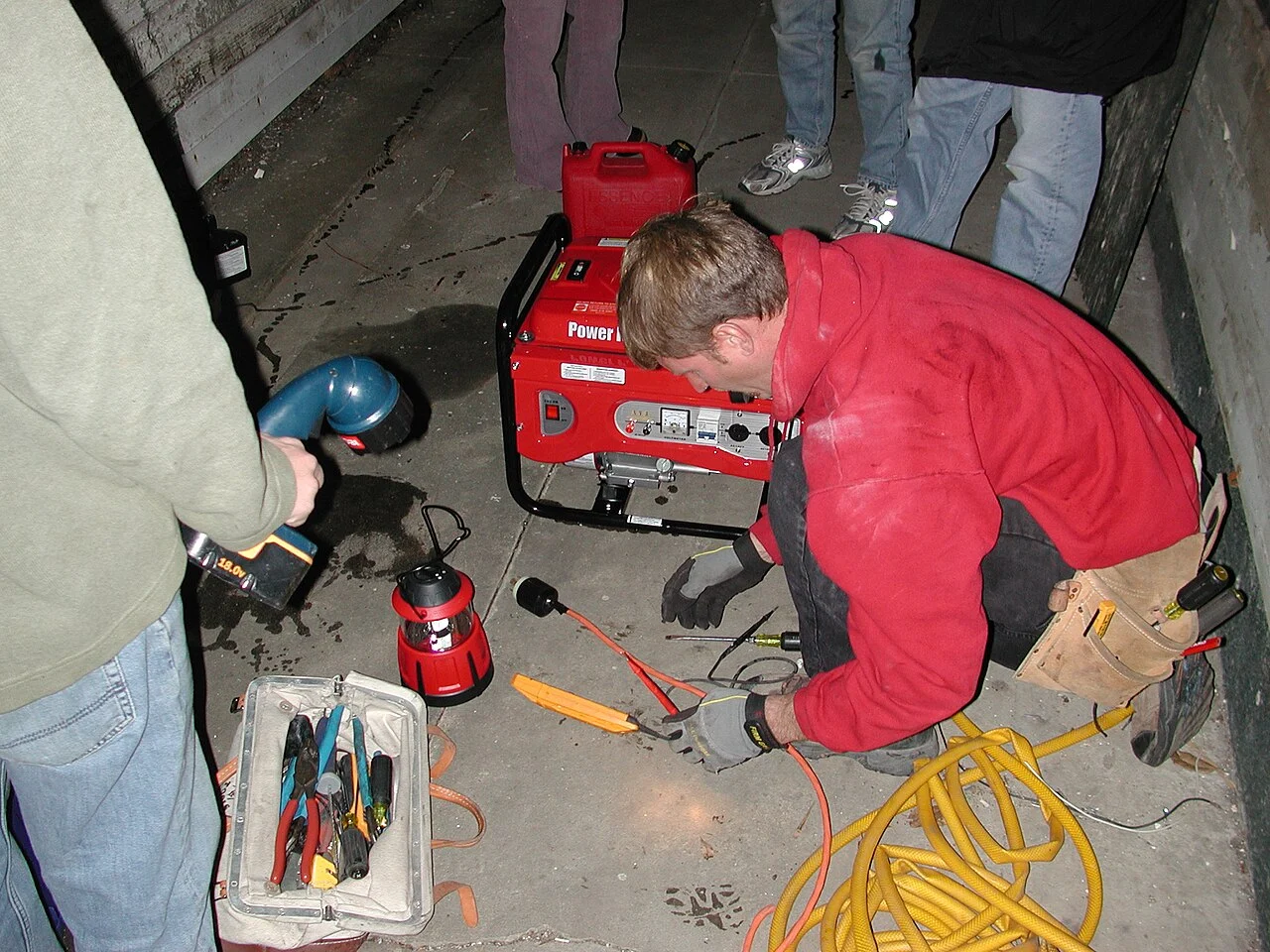
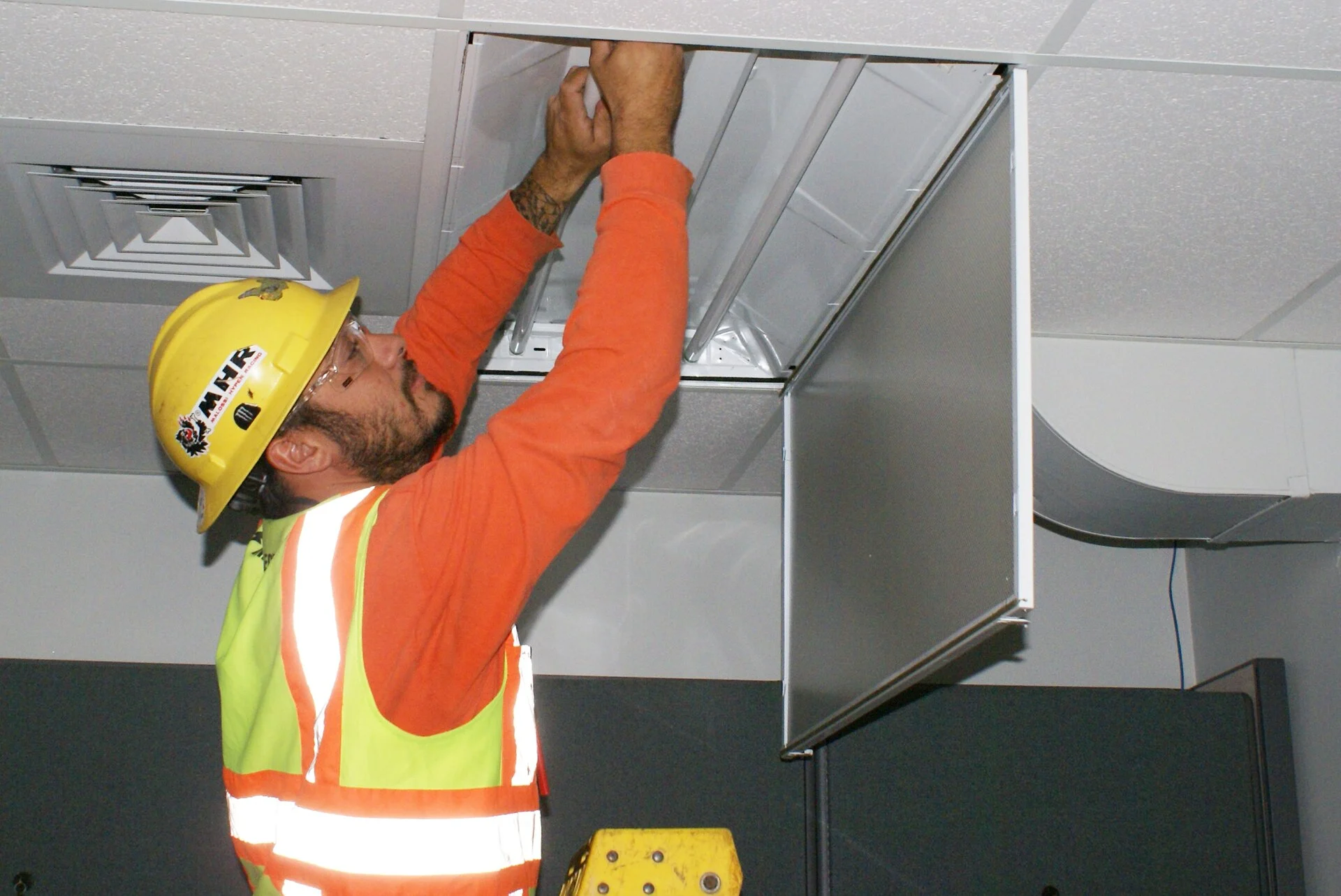
An electrical worker attending to wiring
From your idea to launch 01 / 06

YOU SHARE THE BASICS

Start with the business you already know.

Tell us what you do, where you work, and which services matter most. Choose an example if it helps explain the style you want.

Your website brief
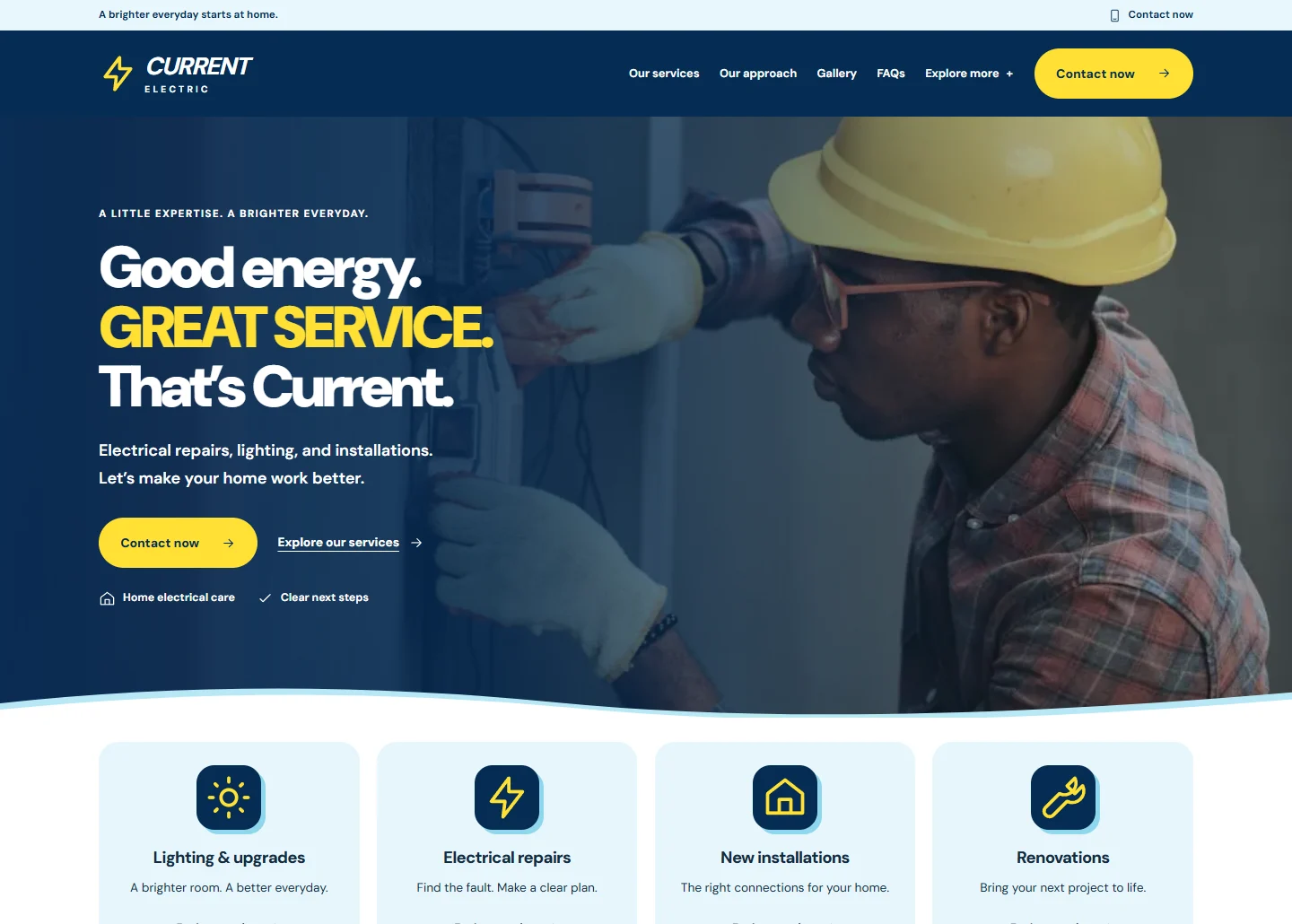
BusinessAn electrical contractor
ServicesRepairs · lighting · installations
Style you likeCurrent Electric website

Illustrative animation · No sound needed · Messages and timing tailored during setup

What’s included
Read the walkthroughs

The missed call: An electrician’s afternoon

  1. A customer needs an electrician. Jamie reads the electrical repairs page and chooses Contact now.
  2. The phone rings. Your hands are full. Jamie calls while you are working. The call is missed.
  3. They hear back without waiting for you. Automatic reply: Thanks for calling Current Electric. Sorry we missed you. What can we help with? Jamie: The kitchen outlets stopped working this morning. Can someone take a look?
  4. A useful conversation is waiting. Your inbox contains Jamie’s reply and the kitchen outlet problem. It is ready for you to respond.
  5. You handle the advice and the arrangements. You: Thanks, Jamie. I’ll call you to discuss the issue and the next step. Jamie: Thanks. I’m available this afternoon. The owner confirms availability, assessment, and costs.
  6. Less phone tag. A clearer starting point. The customer is acknowledged, the problem is described, and you choose the next step. Rules and handoff are agreed during setup.
Why it helps: A customer to call back. A useful description of the job.

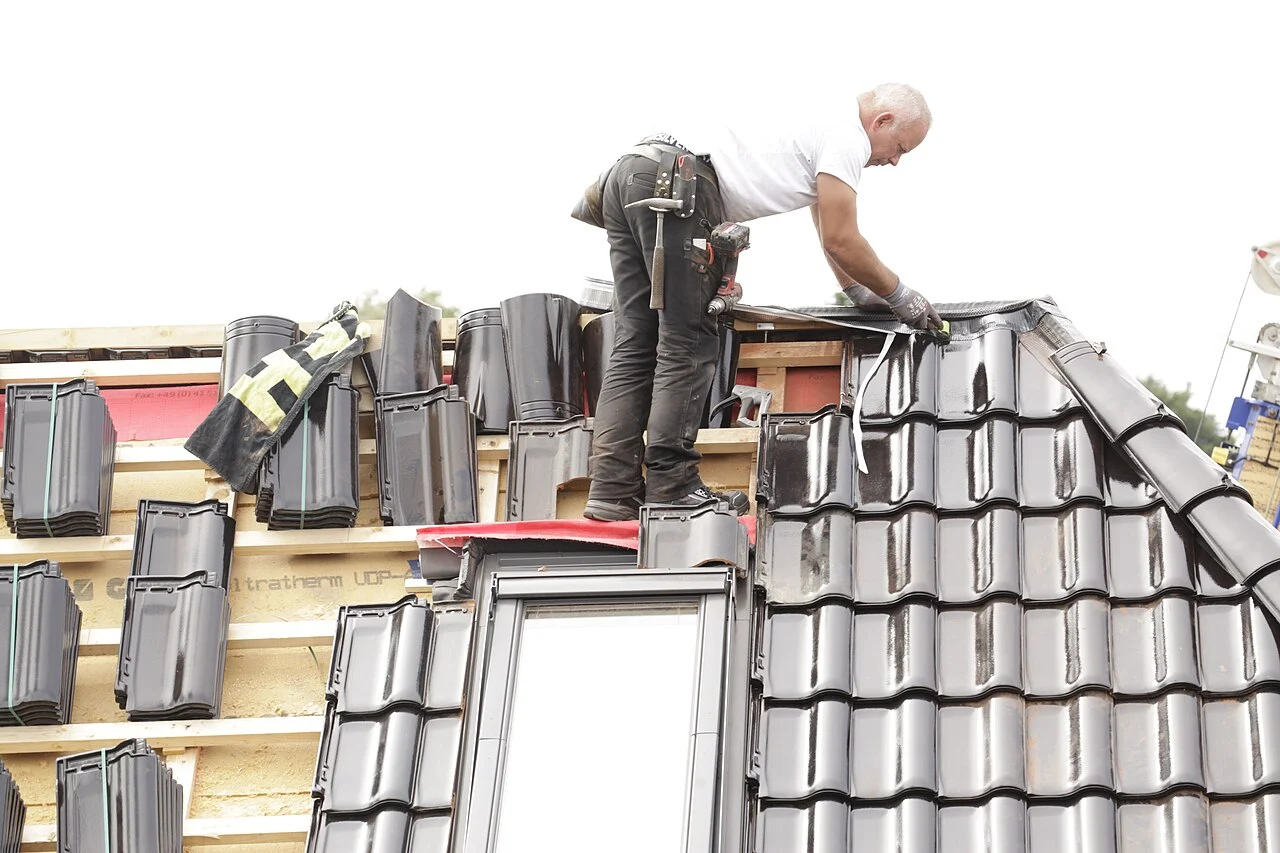
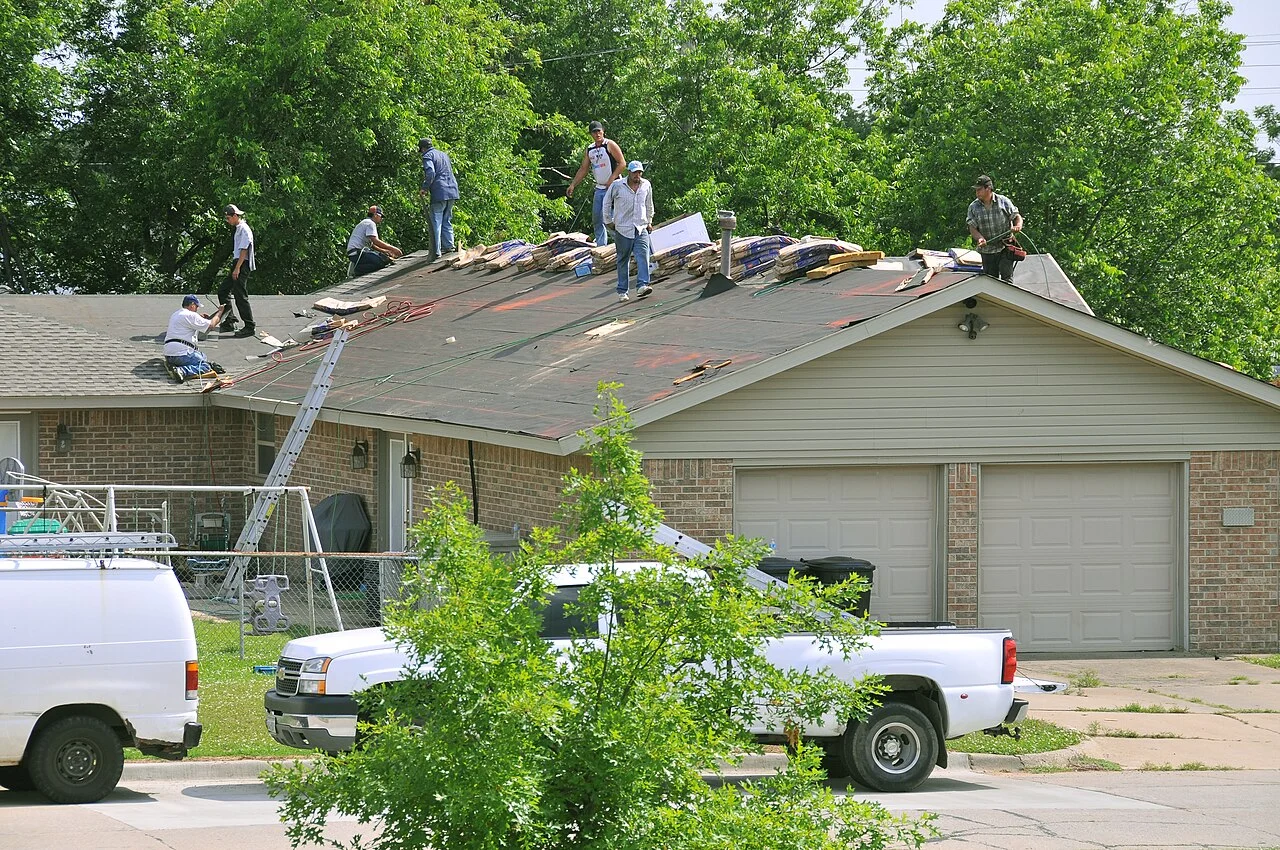
The roof inquiry: A homeowner after the rain

  1. A damp patch sends Alex looking for help. Alex finds the roof-repair page and selects Request an assessment after noticing a damp patch.
  2. A few details. No roofing vocabulary needed. Alex Example selects Roof repair and writes: A damp patch above the upstairs window after rain. The website receives the request.
  3. The request gets an acknowledgment. Automatic reply: Thanks, Alex. We’ve received your roof-repair request. When did you first notice the damp patch?
  4. Alex adds the part you would ask anyway. Alex replies: After Monday’s rain. We haven’t noticed a leak there before. This background is added to the inquiry.
  5. Now you can arrange the right next step. The team reviews Alex’s inquiry and confirms access, assessment charges, and timing directly. Automation does not confirm an appointment.
  6. A prepared conversation, before the visit. The customer has selected a service and supplied useful details. Your team handles the assessment and recommendation.

Why it helps: The request arrives with details your team can use.

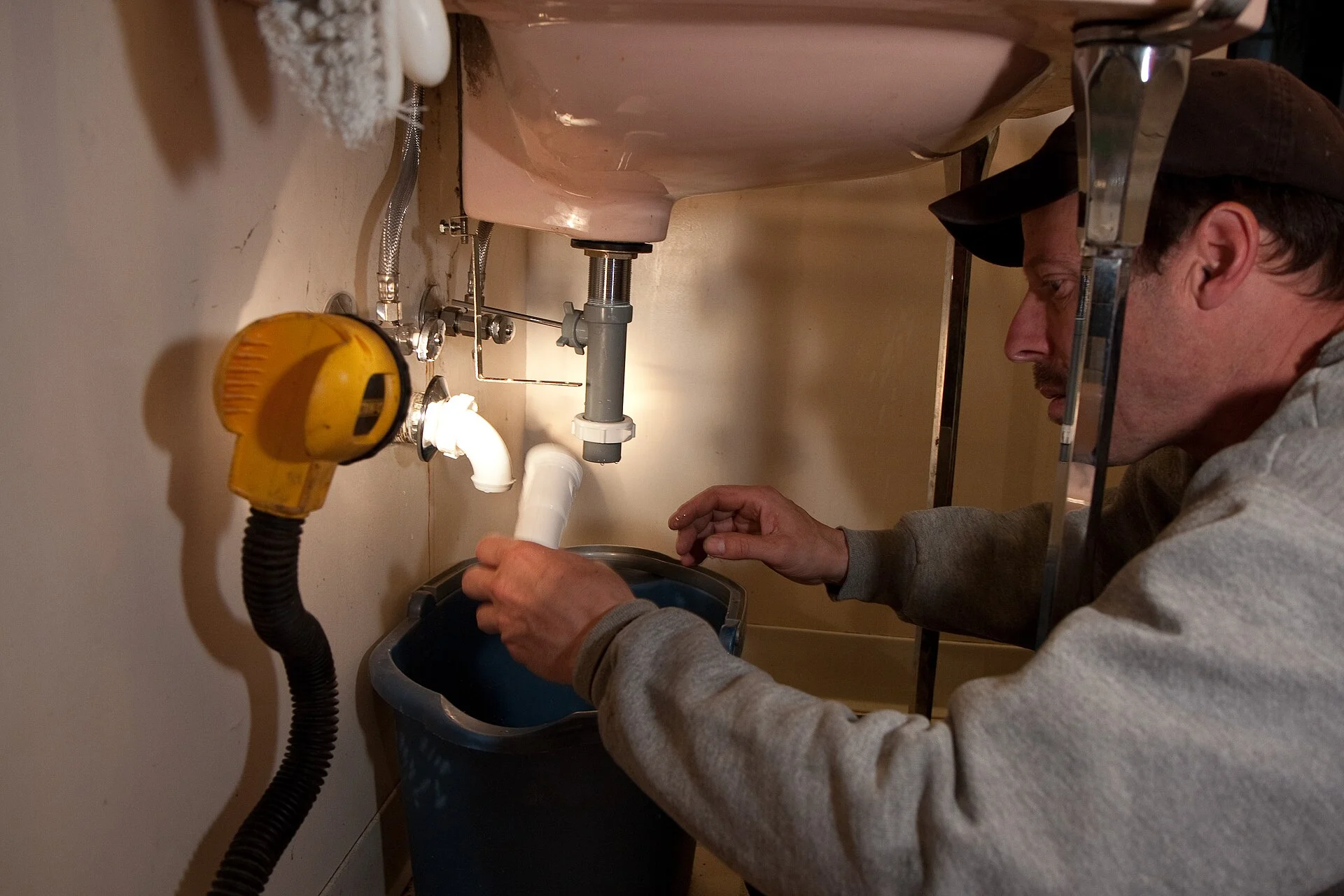
After the job: A plumbing job, finished

  1. The repair is done. Start with that. Your team marks Sam’s sink repair complete. This is the agreed starting point for a review invitation.
  2. A thank-you, with a simple invitation. Review invitation: Thanks for choosing Clearflow, Sam. Would you share an honest review of your experience? A direct review link follows.
  3. One link to the review page. Sam can choose any rating. Feedback is optional, and invitations do not filter customers by satisfaction.
  4. If needed, one useful nudge. An optional reminder follows under the agreed timing and stopping rules, inviting Sam to share their experience.
  5. A reply or opt-out stops the sequence. A reply or opt-out stops automated reminders under the agreed rules. Your team handles personal replies.
  6. Good work. A consistent way to ask. The invitation uses a direct link and agreed timing. It supports asking without promising reviews or particular ratings.

Why it helps: An easy, consistent way to invite honest feedback.

Getting your website: From your idea to launch

  1. Start with the business you already know. Share your business name, services, area, and a website example you like. No technical brief is required.
  2. Know what you’re getting before we build. We agree the page plan, content responsibilities, scope, costs, and terms together before building.
  3. Open your website. Click through it. You open the draft website, check the pages and contact flow, and request refinements before launch.
  4. Make the messages sound like you. You approve the message wording, timing, stopping rules, and where customer replies reach you.
  5. Follow a sample inquiry all the way through. We check the mobile pages, navigation, forms, sample inquiries, replies, and the agreed owner handoff.
  6. Go live when the details are right. After you approve the website, messages, and publishing details, launch follows the agreed plan. Ongoing responsibilities are confirmed.

Why it helps: You can review the website and the replies before anything goes live.

01

A conversation about your business.

Tell us what you do, who you serve, and how customers usually get in touch. Share an existing website if you have one, or an example you like. We discuss fit, the package, and the details you need before deciding.

Bring: your business name, main services, and the result you want from the website.

02

A plan for your pages and content.

We map the 10–20 pages around your services and customer questions. We discuss photos, wording, contact options, and what verified business information needs to be included.

We agree: pages, functionality, content responsibilities, and the project scope.

03

A design you can review.

We build a visual direction around your business and share the work for review. You can see how the pages connect, how they read on a phone, and how a visitor gets in touch.

You review: the design, service information, photographs, and inquiry path.

04

Follow-up that fits the way you work.

We plan inquiry replies, missed-call texts, review invitations, and the handoff to you. Message wording, timing, platform arrangements, usage, and responsibilities are made clear.

We confirm: how the messages work and when you take over the conversation.

05

Checks, launch, and a clear handover.

We check the pages, forms, navigation, mobile layout, and basic search information. The final domain, contact destinations, publishing arrangements, and ongoing responsibilities are confirmed before launch.

You receive: a website you have reviewed and clarity about what happens next.

Start with what you know.
We’ll help with the website part.

Tell us about your business. We’ll take it from there.

Let’s talk about your website